OrganoNetwork
Organo
Network
OrganoNetwork is a collaborative user network comprising academic researchers who utilize our advanced organ-on-a-chip technologies.
Members of OrganoNetwork are active users of OrganoBiotech’s products, having successfully applied our platform to develop unique biological models. Through the network, we showcase these advanced biological models to demonstrate real-world applications.
Our Network
Peripheral Nerve Model
Dr. Samantha Payne
Bile Duct Model
Dr. Shinichiro Ogawa
Vascularized cardiac tissue model
Dr. Milica Radisic
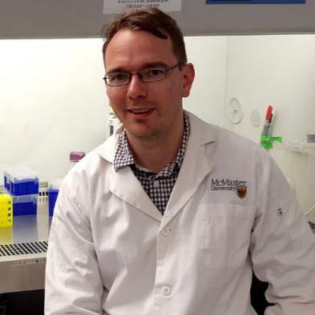
Immunocompetent glioblastoma model
Dr. Ryan Wylie
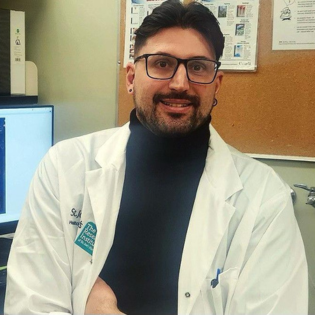
Sex-specific proximal tubule barrier
Dr. Sergi Clotet-Freixas
Peripheral Nerve Model
Dr. Samantha Payne is an Assistant Professor at University of Guelph. Her lab’s primary focus is to identify the environmental cues that drive cell behaviour following wounding and to understand how cells sense and respond to these cues to promote regeneration.
Leveraging the IFlowPlate384 platform, her lab developed a peripheral nerval model to study the interaction between peripheral nerves and dermal fibroblasts and better understand the role of nerves in wound healing, regeneration, and cancer.

Bile Duct Model
Dr. Shinichiro Ogawa is an affiliate scientist at the McEwen Stem Cell Institute, University Health Network. His research interests have been focused on the molecular pathways responsible for liver associated cell differentiation from human pluripotent stem cells in liver injury and regeneration.
Leveraging the AngioPlate384 platform, his lab developed a bile duct model from iPSC-derived cholangiocytes to study chronic biliary diseases.

Vascularized cardiac tissue model
Dr. Milica Radisic is a Professor and Canada Research Chair in Functional Cardiovascular Tissue Engineering at the University of Toronto. A leading figure in cardiac tissue engineering, she pioneered the use of electrical stimulation to promote the maturation of engineered cardiac tissues.
More recently, Utilizing the IFlowPlate384 platform, her lab demonstrated that primitive macrophages facilitate long-term vascularization in human heart-on-a-chip systems.

Immunocompetent Glioblastoma Model
Dr. Ryan Wylie is an Associate Professor in the Department of Chemistry & Chemical Biology at McMaster University. His lab’s research focuses on developing drug delivery systems to enhance immunotherapy for glioblastoma.
Using the IFlowPlate384 platform, his team has created an in vitro glioblastoma model that incorporates innate immune responses and drug clearance capabilities, enabling more accurate drug efficacy testing and disease modeling.

Sex-specific Proximal Tubule Barrier
Dr. Sergi Clotet-Freixas is an Assistant Professor in the Department of Medicine, Division of Nephrology at McMaster University. With training in nephrology and diabetes research, Dr. Clotet-Freixas is passionate about the study of cell metabolism and biological sex differences. Working with Dr. Ana Konvolinka, he discovered sex-based differences in kidney metabolism using the IFlowPlate384 platform.
Specifically, he found primary human proximal tubular epithelial cells from healthy males displayed increased mitochondrial respiration, oxidative stress, apoptosis, and greater injury when exposed to high glucose compared with PTECs from healthy females.